One-line direct answer
Both University of Melbourne and University of Sydney rank in the world’s top 50 universities (QS 2025), with annual tuition of AUD 30,000–45,000 (MYR 87,000–131,000). Melbourne uses the distinctive Melbourne Model (broad coursework plus specialisation); Sydney operates a traditional semester structure. Melbourne offers slightly more compact city living; Sydney offers beach culture and a larger Malaysian student body. Your choice depends on programme strengths, weather preference, and cost tolerance.
Rankings and global standing
University of Melbourne ranks 37th globally (QS World University Rankings 2025) and is consistently Australia’s highest-ranked university. It is especially strong in law, medicine, business, engineering, and graduate research. The university has produced five Australian Prime Ministers and has substantial international prestige in Asia-Pacific academic circles.
University of Sydney ranks 60th globally (QS 2025). Whilst slightly lower than Melbourne, this ranking still places it comfortably in the world’s top 100. Sydney excels in medicine, law, engineering, and business. Its reputation is particularly strong in professional services and financial sectors.
For Malaysian employers and for further postgraduate study, both universities are highly regarded. The ranking difference is modest and should not be the sole factor in your decision.
Tuition and cost of living
| Factor | Melbourne | Sydney |
|---|---|---|
| Annual tuition (AUD) | 31,000–44,000 | 30,000–45,000 |
| Tuition (MYR approx.) | 90,000–128,000 | 87,000–131,000 |
| Monthly living cost (AUD) | 1,800–2,200 | 2,000–2,400 |
| Living cost (MYR approx.) | 5,200–6,400 | 5,800–7,000 |
| Annual total (tuition + living) | AUD 52,600–70,400 | AUD 54,000–73,600 |
| Total (MYR approx.) | 153,000–204,000 | 157,000–214,000 |
Melbourne’s city CBD is compact and affordable; accommodation in inner suburbs (Parkville, Carlton) costs AUD 140–180 per week. Sydney’s accommodation is notably more expensive due to high demand, with weekly rent often AUD 180–240+ in inner suburbs. If cost is a primary concern, Melbourne has a slight edge.
Degree structure: Melbourne Model vs. Sydney traditional
University of Melbourne employs the distinctive Melbourne Model. Undergraduate students take a broad first year across multiple disciplines before specialising in year two. This approach is designed to develop critical thinking across fields and allows flexibility in changing specialisation. Most bachelor degrees are 3 years.
University of Sydney uses a traditional semester structure with specialisation from year one. Students commit to their major programme of study immediately. The structure is more conventional and aligns closely with international norms, particularly for students later seeking postgraduate study overseas.
Neither structure is objectively superior. Melbourne Model suits exploratory learners; traditional structure suits those confident in their discipline choice. Melbourne Model graduates are well-regarded internationally; however, if you plan to transfer to a US or UK university, Sydney’s conventional structure may align more seamlessly with international expectations.
Intake timing and programme diversity
Both universities offer February (autumn) and July (winter) intakes.
University of Melbourne has a more regimented academic calendar aligned to southern hemisphere seasons (February start, July mid-year intake). The university offers strong breadth across engineering, law, medicine, commerce, arts, and science.
University of Sydney similarly offers February and July intakes with similarly comprehensive programme offerings. Sydney’s engineering and business schools are particularly well-resourced and industry-connected.
For Malaysian students, both universities accommodate SPM, STPM, UEC, and A-Level qualifications with foundation pathways or direct entry as applicable. Check current entry requirements on each university’s international admissions page.
Location and lifestyle
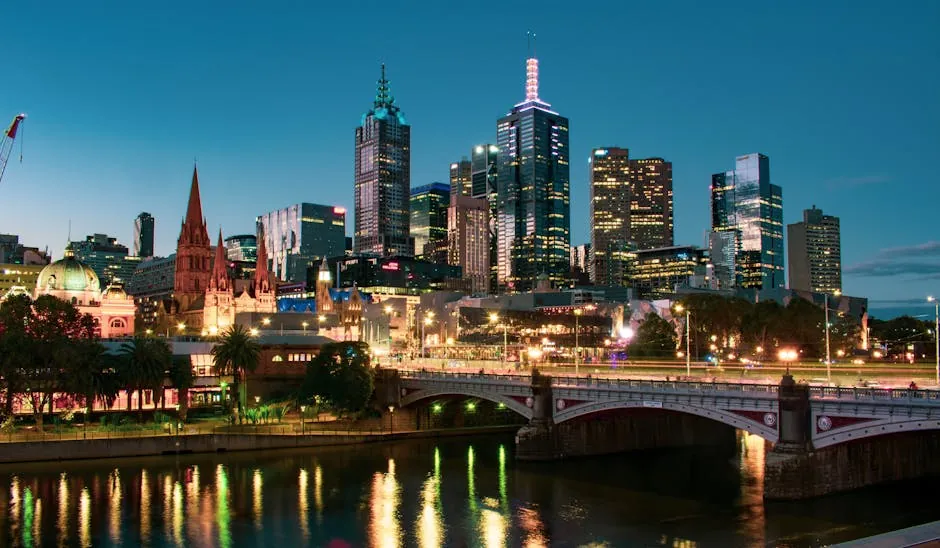
Melbourne is known for its arts, culture, coffee, and laneways. The city is compact and navigable by public transport (trams are frequent and affordable). Weather is temperate but changeable (locals joke about experiencing four seasons in one day). The city has a thriving student culture and is considered Australia’s cultural capital. Winter (June–August) can be cold and wet; summer (December–February) is warm and sometimes humid.
Sydney is iconic for its beaches (Bondi, Coogee, Manly), harbour views, and outdoor lifestyle. The city is sprawling but well-connected by train, bus, and ferry. Weather is generally warm year-round, with mild winters and hot, sunny summers. Sydney has a more hedonistic, beach-oriented culture and excellent summer social life. Winter (June–August) is mild with occasional rain.
For Malaysian students accustomed to tropical climate, Sydney’s consistent warmth may feel more familiar. Melbourne’s changeable weather and more introspective cultural mood appeals to students seeking a tighter-knit university community and lower sensory overwhelm.
Malaysian student communities
University of Melbourne has approximately 600–700 Malaysian students enrolled across all levels. A strong Malaysian Society exists with regular events, cultural celebrations (Merdeka, Raya), and peer support. The university actively recruits in Malaysia and has dedicated admission officers. Chinese-Malaysian and Indian-Malaysian sub-communities are well-established.
University of Sydney has approximately 700–800 Malaysian students. The Malaysian Society is similarly active with strong engagement in campus life and social events. Sydney’s larger overall Malaysian population (due to Sydney’s size and prestige) means Malaysian food, services, and community support networks outside the university are abundant. Some Malaysian students report Sydney feels less isolating due to the broader Malaysian diaspora.
Both universities provide international student support (orientation, mental health services, peer mentoring). Melbourne’s smaller-cohort culture may foster tighter friendships; Sydney’s larger community offers more immediate familiarity and pre-existing networks.
Programme specialisation: which is stronger where?
Engineering: Both are excellent. Melbourne is ranked slightly higher in engineering (QS Engineering Rankings 2025); however, Sydney’s engineering school is well-resourced with strong industry partnerships, particularly in civil and electrical engineering. Choose based on specific specialisation strength.
Medicine: Both have world-leading medical schools. Melbourne Medical School (via the Melbourne Medical Program) is highly competitive; Sydney Medical School similarly so. Entry to both is difficult; both require a 3.5+ GPA at secondary level, GAMSAT or similar entrance exam, and interviews.
Law: Melbourne Law (via the Melbourne Law School) is ranked higher globally. However, Sydney Law is highly respected, particularly for commercial law and taxation. Both produce outstanding graduates. The choice between them on law grounds is marginal.
Business / Commerce: UNSW Sydney and Melbourne Business School are the flagship Australian business schools. University of Sydney’s business school is highly respected but sits slightly below these two. If business is your focus, Melbourne offers strong general business; UNSW and Melbourne’s graduate business school (MBA) are more internationally renowned.
Common questions
Which is easier to get into, Melbourne or Sydney? Both are selective. Melbourne’s direct bachelor entry typically requires STPM 3.0+ GPA or equivalent; Sydney is similarly competitive. If you score below this, both universities offer foundation programmes. Difficulty is comparable.
Can I live on campus at both universities? Both offer on-campus accommodation (colleges and halls of residence), though spaces are limited and competitive. Many international students live in private share housing. On-campus accommodation at Melbourne costs AUD 140–190 per week; Sydney AUD 160–220 per week, reflecting Sydney’s higher overall rental costs.
Which university has better graduate employment outcomes? Both have excellent graduate employment rates (85%+ employed within 6 months). Melbourne ranks slightly higher in graduate outcomes surveys, but the difference is marginal. Your choice of programme and industry connections matter more than the university name.
Is a Melbourne degree worth the lifestyle trade-off? This depends on your personality. If you strongly prefer beaches and outdoor warmth, Sydney is arguably better for your happiness and hence academic engagement. If you prefer arts, culture, and social introspection, Melbourne suits you better. Happiness impacts academic performance, so choose the city you’ll thrive in.
Can I do a transfer between Melbourne and Sydney? Yes, though not common. A formal application is required; most credits transfer, but some programmes may require you to repeat portions of your degree. Expect delays (up to one semester). Only consider transfer if your initial choice becomes genuinely unsuitable.
Which university is better for a student visa? Both are on the CRICOS register (Tertiary Education Sector) and are equally secure visa providers. Visa approval rates and processing times are comparable.
Sources
- University of Melbourne admissions — unimelb.edu.au/study
- University of Sydney admissions — sydney.edu.au/study
- QS World University Rankings 2025 — topuniversities.com
- Australian DHA CRICOS — cricos.deewr.gov.au
- Melbourne city visitor guide — melbourne.vic.gov.au